
Written by
Reviewed by William Cooper
Follow us
What does thatched property insurance cover?
Stanhope’s thatched property insurance covers a range of different types of thatched roofs and more. Our full list of cover includes:
- Cover for every type of thatched roof construction, from Devon reed to combed wheat, water reed, Norfolk Reed, fibre and long straw
- Cover for a full range of heating types, from gas, oil and electrical heating to wood burning/solid fuel stoves and open fires too.
- Cover for your home whether it is owner occupied, listed, a holiday home, Airbnb or let property
- Correct cover to allow for repairing and replacing of non-standard materials
- Bespoke cover for your buildings and contents
- Access to insurance valuers to assist with your rebuilding cost
- Worldwide all risks cover as standard
- Accidental damage cover as standard
- Items like jewellery and artwork can be added to the policy
What is thatched property insurance
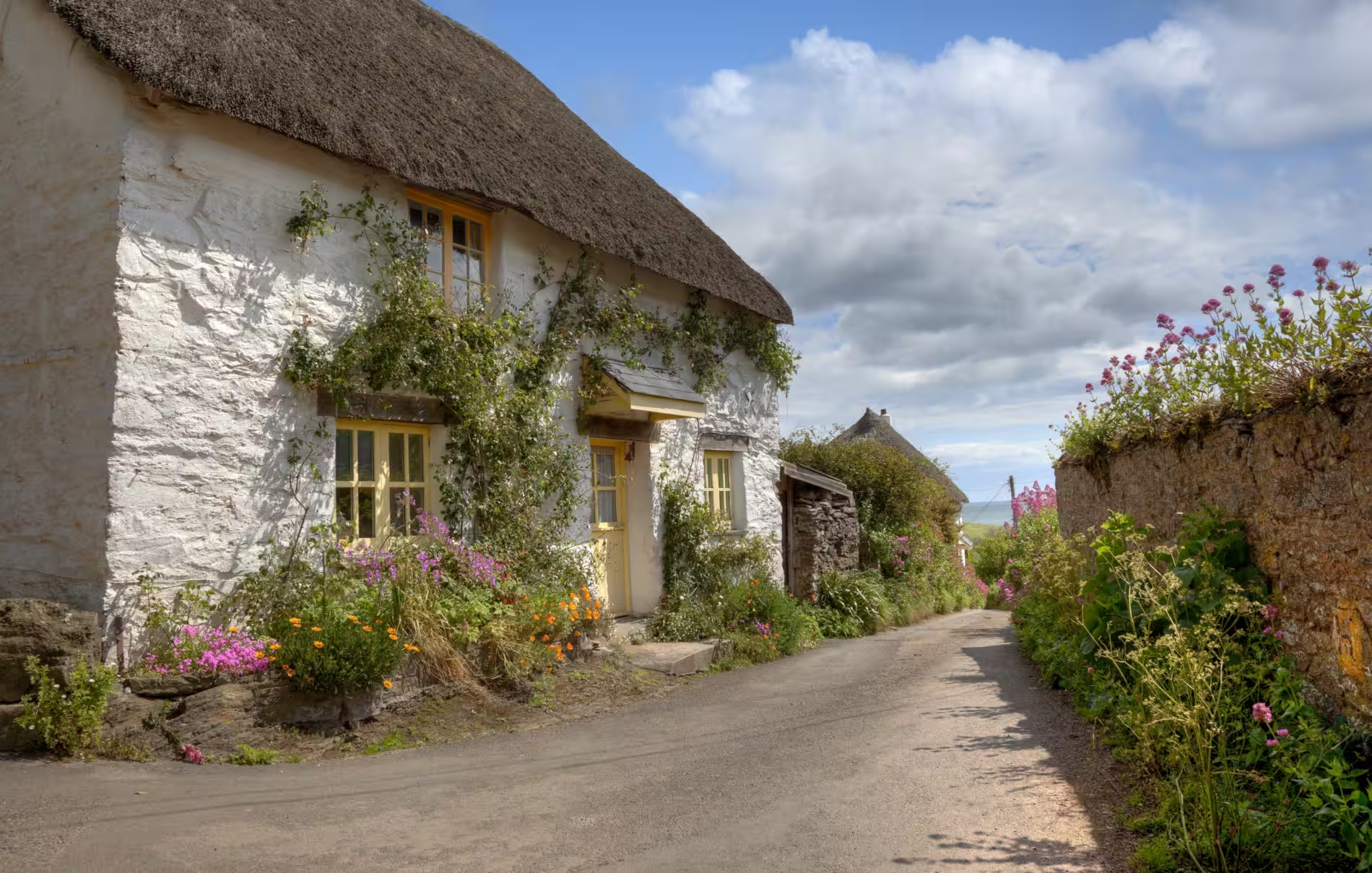
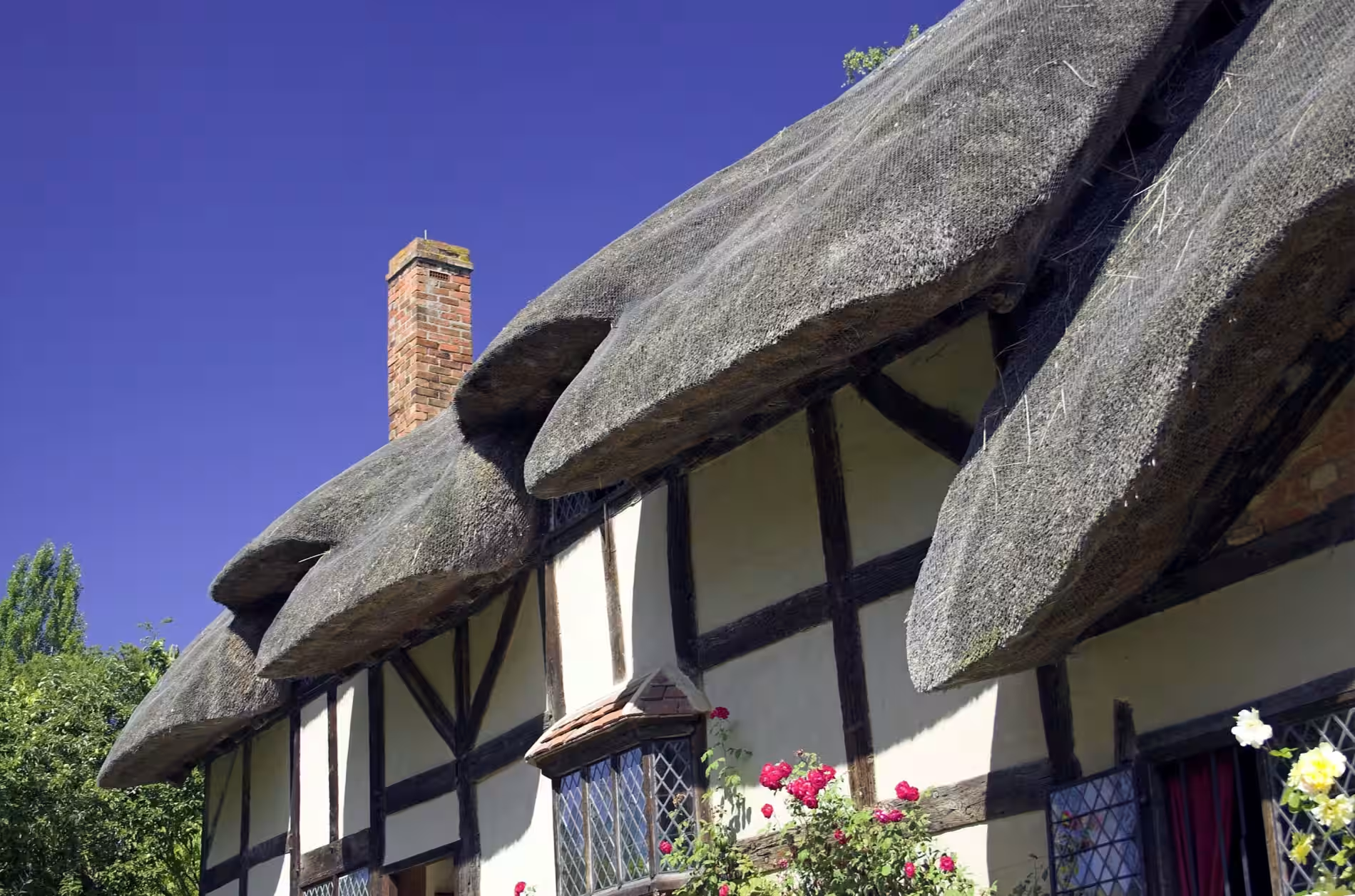
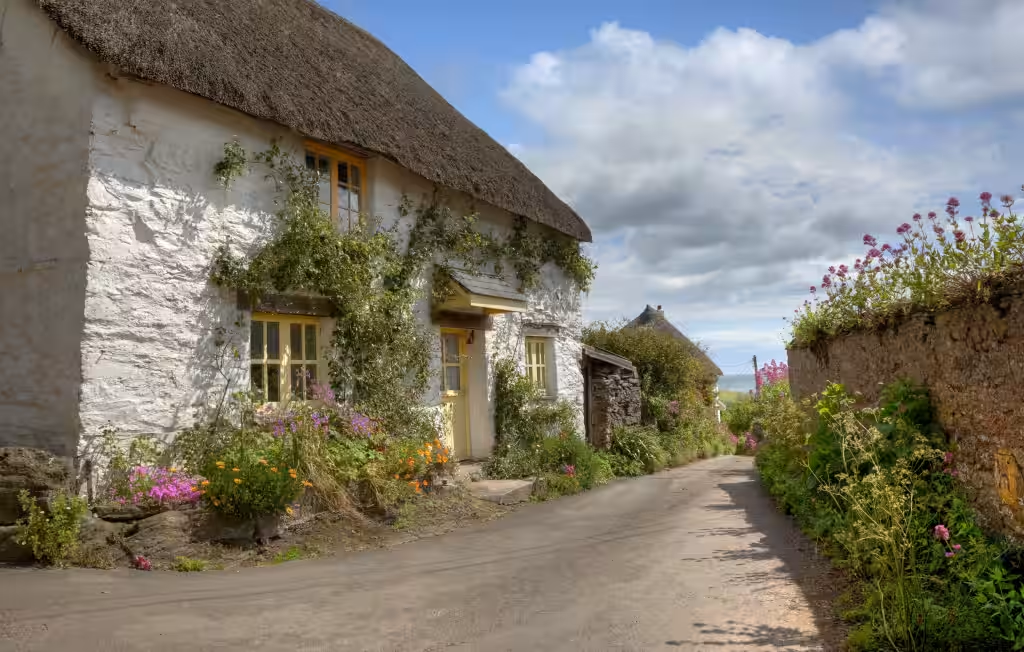
Thatched property insurance, also referred to as thatched roof insurance, is a specific type of home insurance that is designed to protect homes with thatched roofs. Thatched roofs are made from a variety of materials including straw, reeds, and even palm fronds, and are common in rural areas and some historic districts. Because thatched roofs are more susceptible to fire than other types of roofs, thatched property insurance policies typically offer higher levels of coverage for fire damage.
What should i consider before making an enquiry?
The thatched property insurance market, just like high value home insurance, is limited with only a handful of providers offering solutions. Our present thatched property insurance products will offer cover subject to:
- Where any open fires or wood burners are in use, the height of the chimney must be at least 1.8meters above the thatch
- The electrics at the property are inspected once every 5 years
- Any chimney(s) in use to be swept at least once every 12 months
- The thatch roof must be inspected once every 10 years
- Any spark arrestors installed must be removed
Plus when getting a thatched insurance quote from us, we recommend you have the following information ready:
- Your address and postcode.
- The year your house was built.
- Any history of flooding, subsidence or landslip.
- Your claims history.
- Your occupation.
- Any unspent convictions.
- If you’ve ever had home insurance cancelled, refused or terms imposed in the past.
Please note, we can only cater up to £1.2million building sum insured for thatch properties, so get in touch with our team to find out if you’re eligible.
What are the benefits of thatched roof insurance?
A bespoke thatched property insurance policy can offer various benefits not only for your home, but also your own wellbeing. With your home’s contents being included in our policy, you can have peace of mind that everything will be covered should the worst happen.
In addition, our policy is flexible. We cover every type of thatch and a full range of heating types. Plus, our policy is completely bespoke, allowing you to get a quote that is personalised to you and your requirements.
Get a quote now
How do thatched roof insurance claims work?
If the time comes to make a claim, our team will guide you through the process efficiently to ensure it is settled quickly. We recommend you:
- Locate your insurance documents and have all the necessary information on hand
- Call the claims team and have your policy number ready
- If requested, provide photos to let us understand what happened as quickly as possible
Why choose Stanhope for your thatched property insurance?
Stanhope is part of Stanhope Cooper, an award-winning business, based in London and Hampshire. Stanhope is a leading provider of niche and specialist insurance to the UK home insurance market, voted as High Net Worth Insurance Broker of the Year 2025 at the UK Broker Awards (Insurance Age). We focus on providing solutions that fit outside the standard UK home insurance norms, including thatched property insurance. Our full list of credentials include:
- 17 years of high value home, specialist home insurance and luxury protection experience.
- Get a policy that is bespoke to you and your individual needs.
- Over 2,800 reviews with an average rating of 4.8 out of 5 with Reviews.IO and Google Reviews.
- Clear advice and recommendations based on your circumstances.
We provide customers with a bespoke insurance solution that fits their unique insurance needs. Our expert team is dedicated to providing exceptional levels of customer service and want all our customers to know that they have the right policy in place at the right price, for their specific set of circumstances.